

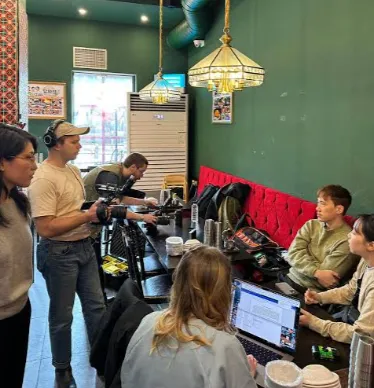

Real places do not look like their postcards. A fish market at dawn smells, shouts, and splashes. A mountain village is quieter than you expect, and slower. Finding spots like these takes more than a map. A good documentary fixer South Korea knows which doors to knock on, and which ones to leave alone.
Authentic locations give a story its pulse. They also bring rules, manners, and limits. This guide covers how to find places that feel true, how to approach the people who live there, and how to shoot without turning a real street into a stage set.
Look Beyond the Tourist Spots
Famous places are crowded for a reason, yet they rarely show daily life. Try side streets, small markets, old apartment blocks, and neighborhood noodle shops. These places hold the details viewers remember, like laundry on a rail or a grandmother arguing over onions.
Ask locals where they actually go. Taxi drivers, shop owners, and students often point you somewhere surprising. Walk the area at different hours. A street can feel sleepy at nine and wild at six. A production company in korea with local roots can also share scouting notes from earlier projects, which saves legwork.
Match the Place to the Story
A location should serve the story, not just look nice. If your piece is about aging in the countryside, a polished city café will feel false. Write a short list of what each scene needs, such as sound, light, mood, and space. Then scout with that list in hand.
Bring a camera and a notebook. Take wide shots, close details, and a minute of audio. Note where power outlets, parking, and bathrooms sit. Back at the hotel, review everything calmly. Sometimes the second place on your list turns out better than the first, once you see it on screen.
Earn Trust With Local Residents
People live in the places you want to film. Treat them as hosts, not background. Introduce yourself, explain the project, and offer to share the result. A documentary fixer South Korea teams rely on can often make that first introduction feel warm instead of awkward.
Be patient with hesitation. Some people say no at first, then change their minds after a second visit. Never pressure anyone. Small kindness helps too, like buying a coffee or lunch from a local shop. Word travels quickly in tight neighborhoods, and good manners can open doors for future crews as well.
Cover News Stories Responsibly
News coverage brings extra care. Events move fast, emotions run high, and people may not want cameras nearby. Identify yourself clearly, carry press credentials, and listen to local officials. Rules can differ for protests, accident sites, and government buildings.
Respect privacy, especially around grief or crisis. Ask before filming faces. Avoid blocking emergency workers. A local producer or interpreter helps you read the mood and avoid mistakes. Accuracy matters more than speed, so double check names, places, and facts with someone who knows the area well.
Capture Real Sound and Atmosphere
Authentic places sound as real as they look. Markets clatter, buses hum, and rain taps on metal roofs. Record plenty of ambient audio at each spot, even if you do not plan to use it. Editors love extra layers of real sound.
Avoid cleaning a scene too much. Moving every cup and sign can drain its life. Small mess is part of the truth. Keep your crew small when possible, because a big team changes how people act. Quiet, light setups often get more natural moments from the people who live there.
Check Permissions, Safety, and Access
Even humble spots can have rules. Private shops, apartment blocks, and religious places often need permission to film. Ask in writing when possible, and keep copies. A production company in korea can help you check who owns each space and who must say yes.
Think about safety too. Narrow alleys, steep stairs, and night shoots need planning. Bring first aid supplies and agree on meeting points. Check weather and local events. A calm scouting visit often reveals hazards that photos hide, and fixing them early keeps both crew and neighbors comfortable.
Conclusion
Authentic locations ask for time and humility. Look beyond tourist stops, match places to the story, earn trust, cover news with care, capture real sound, and respect local rules. Each step helps your film feel honest instead of staged.
For local support, visit posted-productions.com and see how a team on the ground can help you find the right spots. Reach out early, while your ideas are still loose. Korea has stories tucked into every corner, and the right guide helps you find them without breaking what makes them real.